

1. “Barefoot” Means Very Different Things to Different People
One of the first things we learned is that there is no universal definition of barefoot among customers.
Some people think barefoot simply means “thin sole.”
Others believe it means “soft shoes.”
In reality, true barefoot design is a balance of anatomical toe space, zero drop, flexibility, and ground feel, and missing just one of these changes the entire experience.
As manufacturers, we’ve seen how even small design compromises can completely alter how a shoe feels after a full day of wear.
2. Toe Box Shape Matters More Than Most People Realize
If we had to choose one single element that causes the most problems when done wrong, it would be the toe box.
From our experience:
- Feet vary far more in width and toe alignment than people expect
- A shoe can be “wide” and still restrict natural toe splay
- Symmetrical shapes often fight asymmetrical human feet
Many customers came to us after trying “wide” barefoot shoes that still caused pressure points. This taught us that toe box design is not about size alone, but about shape and proportion.
3. Not All Feet Adapt at the Same Speed
A common myth is that switching to barefoot shoes is either “easy” or “painful.”
The truth is more nuanced.
We’ve learned that adaptation depends on:
- previous footwear habits
- foot mobility and strength
- daily activity level
- how gradually the transition is made
Some customers feel immediate comfort. Others need weeks of gradual use. Designing shoes that support natural movement without forcing it has been one of our biggest challenges.
4. Sole Thickness Is a Trade-Off - Always
There is no “perfect” sole thickness.
- Thinner soles = more ground feel, less protection
- Thicker soles = more protection, less sensory feedback
From making and testing different sole options, we learned that the right choice depends on how and where the shoes are worn, not on ideology. Real barefoot living happens in real environments, concrete, cobblestones, uneven ground, not just theory.
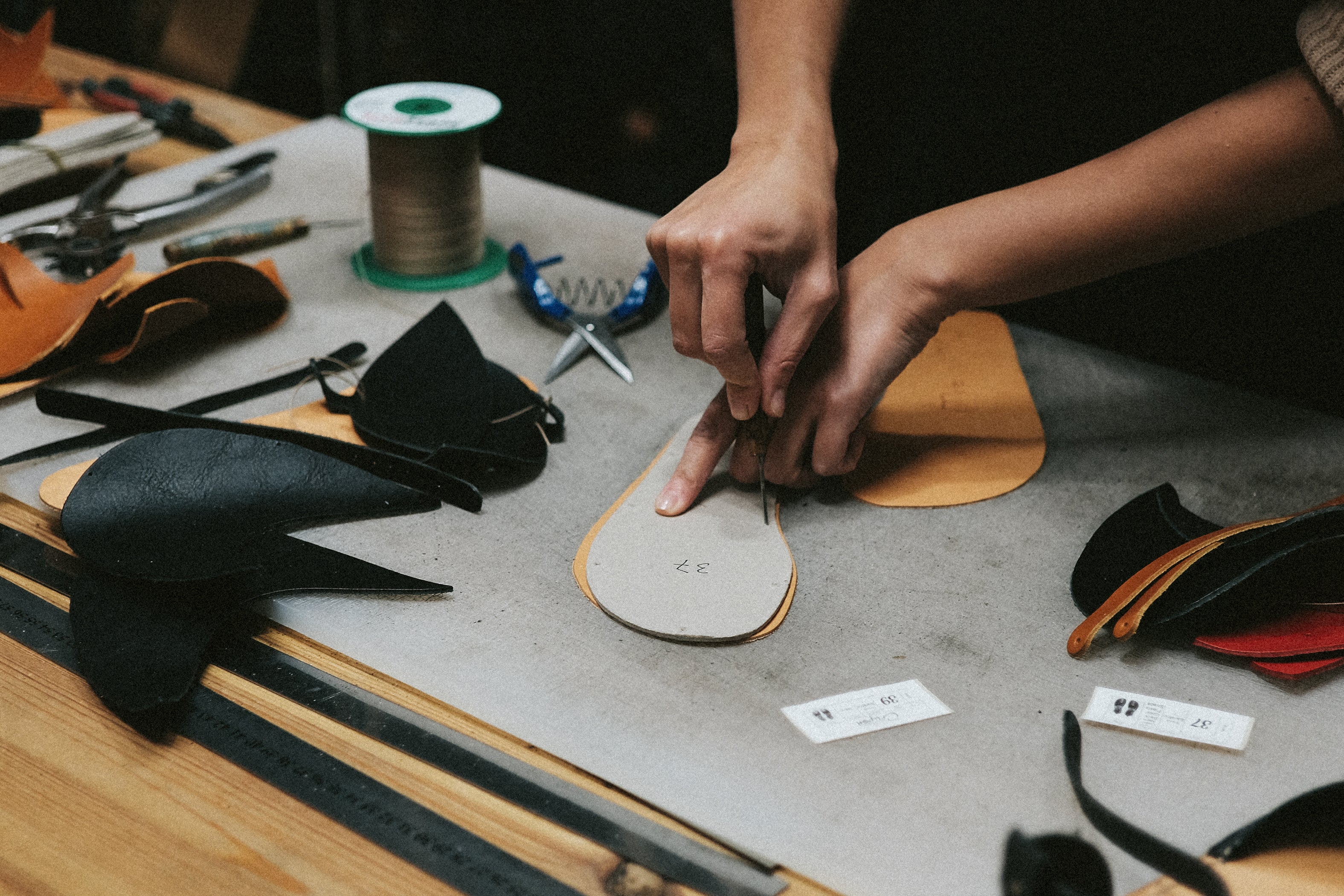
5. Handmade and Mass Production Are Fundamentally Different
Mass production requires standardization.
Handmade production allows adaptation.
This doesn’t make one “good” and the other “bad”, but it explains why fit issues are often solved only through made-to-order processes. We’ve seen how small adjustments millimeters, not centimeters can completely change comfort.
That’s something machines struggle to understand. Human hands don’t.
6. Comfort Is More Than Softness
Many people equate comfort with softness.
We’ve learned the opposite.
True comfort comes from:
- correct alignment
- freedom of movement
- materials that work with the foot, not against it
Some of the most comfortable shoes we’ve made were not the softest, they were the most honest in how they interacted with the foot.
7. The Foot Always Tells the Truth
Marketing claims can be convincing.
Feet are not.
Over time, the foot adapts, reacts, strengthens, or complains. Every return, every adjustment request, every piece of feedback taught us something new. After 1,000+ pairs, one thing is clear:
You cannot trick the human foot.
And you shouldn’t try to.
Why We Continue to Make Barefoot Shoes This Way
We don’t claim to have “the perfect barefoot shoe.”
What we do have is experience, feedback, and respect for how the human foot actually works.
Every pair we make is informed by the pairs before it, by real wear, real movement, and real life.
And that, more than any trend or buzzword, is what barefoot means to us.
Frequently Asked Questions About Barefoot Shoes
Q: Are barefoot shoes suitable for everyday wear?
A: Yes, when properly designed with anatomical toe space, zero drop, and appropriate sole thickness for real-world environments.
Q: How long does it take to adapt to barefoot shoes?
A: Adaptation varies depending on previous footwear and activity level. Some people adapt quickly, while others need a gradual transition.
Q: What is the difference between handmade and mass-produced barefoot shoes?
A: Handmade barefoot shoes allow small fit adjustments and material choices that are difficult to achieve in mass production.
Q: Are handmade barefoot shoes better than mass-produced ones?
A: Handmade barefoot shoes allow small fit adjustments, material choices, and made-to-order processes that are difficult to achieve in mass production.

