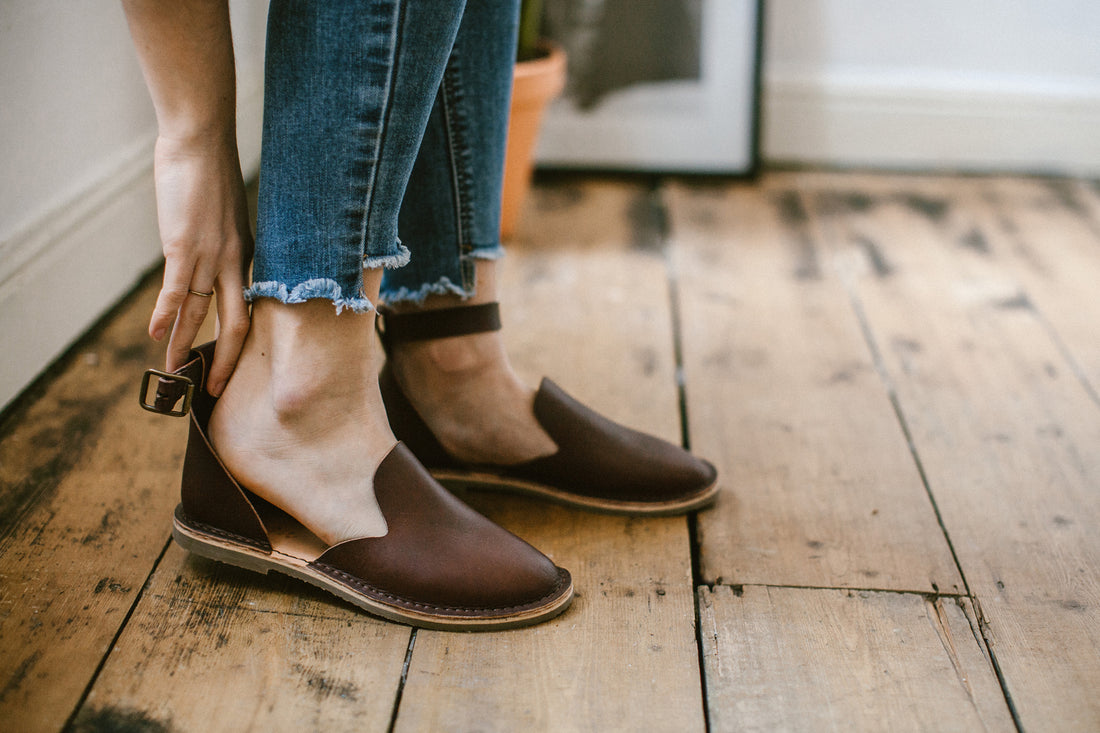
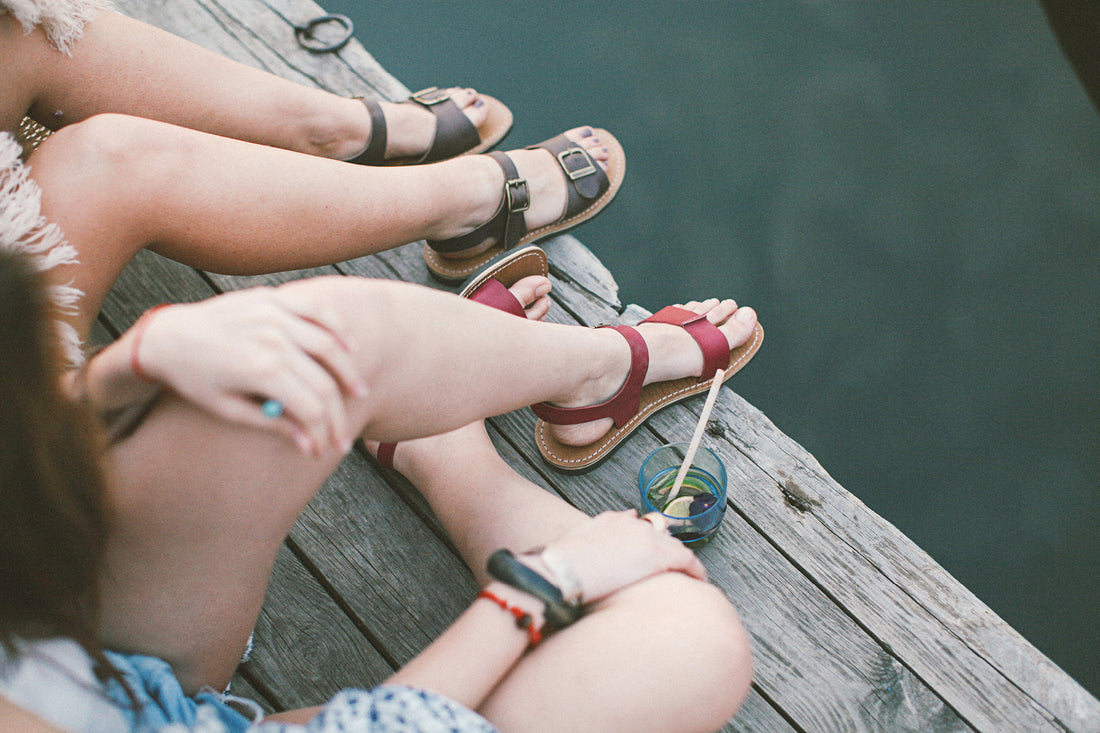
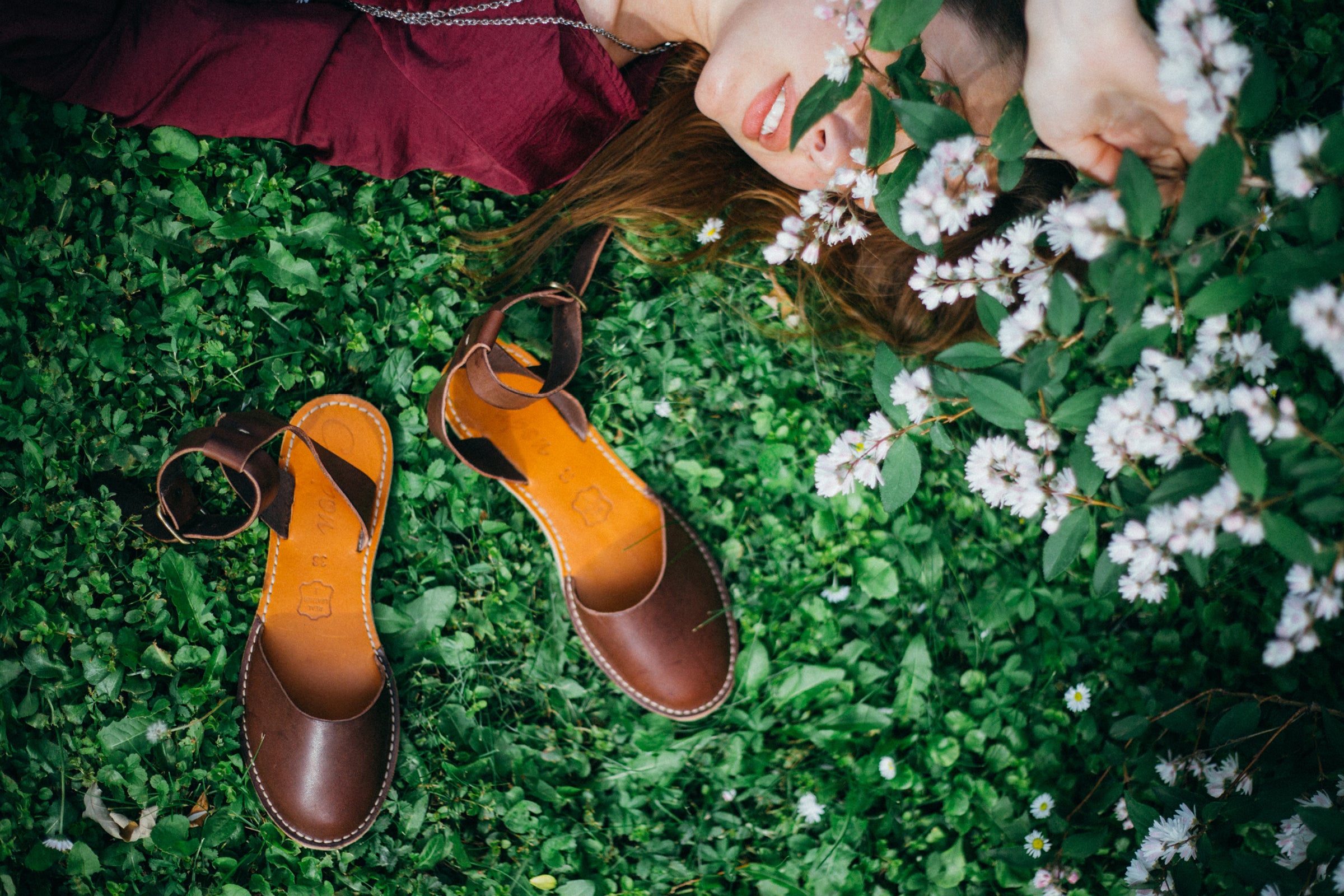
If you’ve heard about barefoot shoes but aren’t sure what makes them special, you’re in the right place. Here we explain everything in plain language, based on our experience from the last years 1. The Basics: What Makes a Shoe Barefoot? Barefoot shoes are designed to mimic being barefoot while still protecting your feet. Key features include: Anatomical toe space: toes can spread naturally Zero drop: the heel and forefoot are at the same level Flexible sole: your foot can bend and move freely Ground feel: you can feel the surface under your feet safely Missing any of these elements changes the experience. Learn more about the details in our Ultimate Barefoot Guide. 2. Why People Choose Barefoot Shoes Barefoot shoes aren’t just a trend they support: Natural foot strength and mobility Better posture and alignment Comfort for long-term wear, once adapted Closer connection to the ground, which can improve balance They’re great for everyday walking, casual running, and even office wear if designed well. 3. Common Myths About Barefoot Shoes Myth: Barefoot shoes are always super thin and uncomfortable.Truth: Thickness varies. Some shoes are protective while still giving ground feel. Myth: Everyone adapts quickly.Truth: Adaptation takes time for some. Gradual use is key. Myth: All barefoot shoes are the same.Truth: Handmade shoes can fit your feet much better than mass-produced models. 4. How to Choose Your First Barefoot Shoes When buying your first pair, focus on: Proper toe box shape for your feet Flexible but protective sole Materials that breathe and move with your foot Gradual transition plan if you’re switching from conventional shoes 5. Learn From Experience We’ve learned a lot from making over 1,000 pairs. If you want to dive deeper: Read What We Learned From 1000+ Pairs for real-life lessons Check our Ultimate Barefoot Guide for a complete reference FAQ: Barefoot Shoes Q: Can I wear barefoot shoes every day?A: Yes, if they have enough toe space, zero drop, and proper sole thickness. Start gradually if you’re new. Q: Are barefoot shoes safe for running?A: Many people use them for running. Start with short distances and increase gradually to avoid injury. Q: What’s the difference between handmade and mass-produced barefoot shoes?A: Handmade shoes allow small fit adjustments and better material choices. Mass-produced shoes are standardized. Q: How long until my feet adapt?A: Some adapt in days, others take weeks. Listen to your feet and transition gradually.
Learn moreYour cart is currently empty.
Not sure where to start?
Try these collections: